

Understanding Branding: Avoid Common Business Mistakes
Ask ten business owners what branding is and eight will describe a logo, a color palette, and maybe a tagline. It's an understandable answer, because that's what most "branding packages" sell. It's also why so many businesses spend money on a rebrand and see nothing change.
The logo is the least important part. Branding is what a stranger feels and understands when they encounter your business, and it's built or broken by decisions that have nothing to do with design. Here's what it actually is, the mistakes we see most, and a test you can run this week.
What branding actually is
Think about what happens when you see the Nike swoosh. You don't think "athletic apparel company." You feel something: bold, competitive, a championship mindset. That feeling was built deliberately, over decades, by pairing the same mark with the same emotions in every ad, every athlete, every store.
That's the whole idea. A brand is not your logo and name. It's the emotional and practical association someone has when they see your logo and name. Branding is how you do the work of persuading when you aren't in the room. And the mechanism is pairing: whatever you consistently put next to your name becomes your brand, from the outside looking in, whether you intended it or not.
Which means every business already has a brand. The only question is whether it was built on purpose.
Surface branding vs. true branding
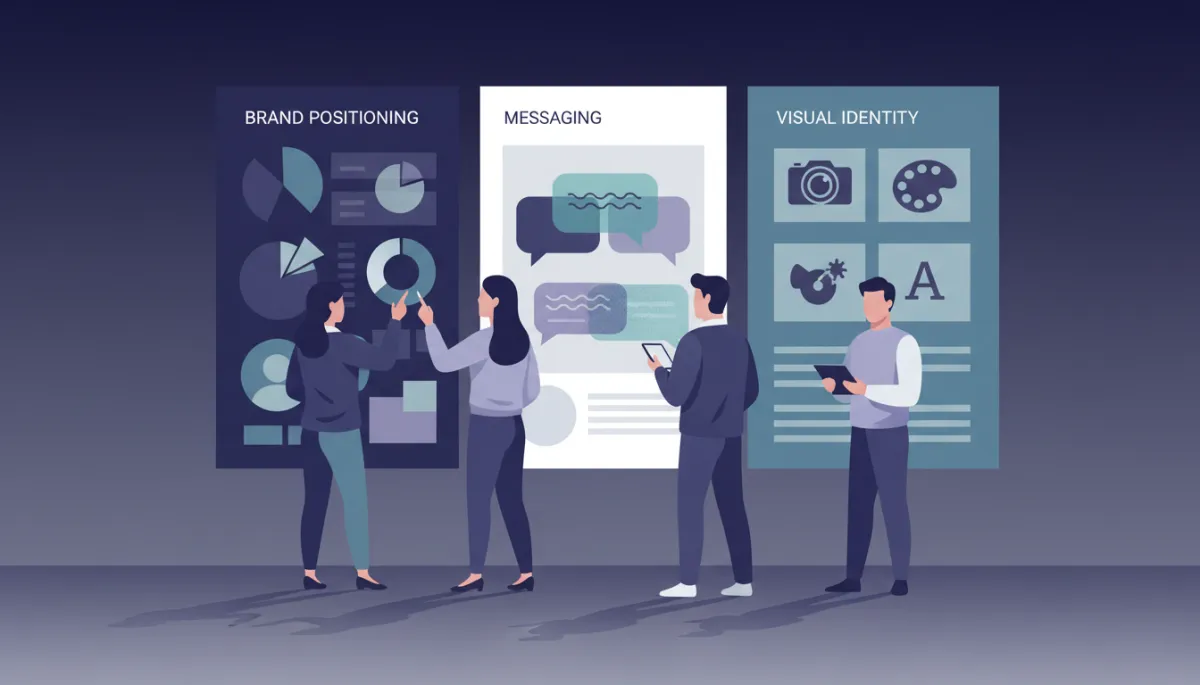
Logos, colors, fonts, and taglines are the expression of a brand. They're the clothes. The brand is the person wearing them.
True branding is a set of decisions: who you're for, what you stand for, what you do better than the alternatives, and how you want to be recognized. Get those right and a modest logo works fine. Get those wrong and no amount of design polish helps, because the design is expressing something that was never decided.
Here's a local example. Dutch Bros and Starbucks sell roughly the same product, often across the street from each other. Look at their social media. Dutch Bros shows its baristas far more than its drinks. Starbucks shows the product far more than the people. Neither is wrong. They're pairing different things with their names on purpose, because they serve different audiences and want to be known for different things. That's branding. The logos are almost beside the point.
What a real brand actually does
A brand that's working does three jobs.
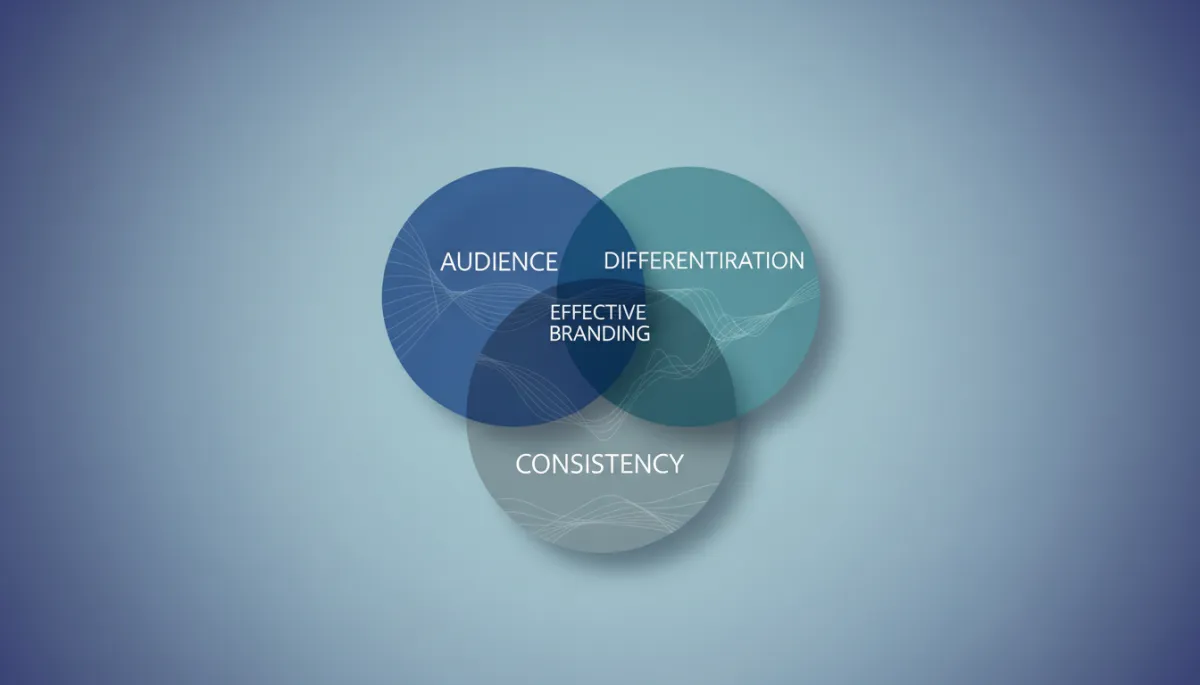
It filters the audience. A clear brand attracts the customers who are a fit and quietly repels the ones who aren't. That sounds like losing business. It's the opposite. The wrong customers cost more to serve, pay less, and leave worse reviews. A brand that says clearly who it's for saves you from them.
It differentiates. It claims something specific that competitors don't. Not "quality" or "service," which everyone claims, but a position that's true of you and not of them. This is what lets you compete on something other than price.
It guides decisions. A decided brand tells you what to say, which products to add, how to price, what to post, and what to turn down. Without it, every decision is made fresh and nothing lines up.
Done well, branding shortens sales cycles, because people arrive already understanding you. It strengthens pricing power, because you're not interchangeable. And it makes every marketing dollar more efficient, because each touchpoint reinforces the same thing instead of introducing something new.
Pairing: how a brand gets built whether you mean to or not
The mechanism behind all of this is pairing. Whatever consistently appears alongside your name becomes what your name means. Pair colorful content with upbeat people often enough and your brand is energy. Pair every post with a discount and your brand is cheap. Pair your name with a partner who has a bad reputation and some of that reputation sticks to you.
That last one matters for local businesses more than most realize. The events you sponsor, the businesses you collaborate with, the customers you feature: all of it is pairing, and the association is real whether it helps or hurts. Guilt by association isn't just a saying. It's how brands form.
The practical takeaway is that a brand can't be left to accumulate on its own. If you don't decide what to pair with your name, the market decides for you, and it tends to decide "generic." A brand foundation is the deliberate version: choosing the associations, then repeating them until they stick.
The mistakes we see most
Treating branding as a design project. A new logo, a new website theme, no new decisions. The business looks different and behaves the same, and customers notice the second part.
Trying to be for everyone. "We serve anyone who needs X." A brand that's for everyone is recognizable to no one. The businesses that grow in Salem are the ones that are clearly for someone.
Claiming what everyone claims. Quality. Trust. Experience. Passion. If your competitor could paste your About page onto their site without editing, you don't have positioning yet.
Inconsistency across touchpoints. Formal on the website, casual on Instagram, a different logo on Google. Each channel teaches a different brand, and the pairing never accumulates.
Marketing before positioning. Running ads and posting content before the brand is decided. This is the most expensive mistake, because it amplifies confusion to a larger audience and then blames the channel. We wrote about it in Fix Your Brand Before Boosting Content Marketing.
A practical test of your branding
Ask three people on your team to answer three questions independently, in writing, without conferring.
Who are we for?
What problem do we solve?
Why are we the better choice?
Then compare the answers. If they're specific and consistent, the brand is working: it's been decided and it's been communicated. If they're vague, or all three people say something different, the brand hasn't been decided yet. Not "the marketing needs work." The foundation under the marketing doesn't exist.
Then run the same test on a customer or two. Their answers tell you what's actually landing, as opposed to what you think you're saying.
Why clear positioning must come first
Positioning is the foundation branding stands on. It's the decision about who you're for and why you, and everything else, from the logo to the ad copy, is an expression of it. Without positioning, marketing underperforms in a predictable way: audiences can't tell whether you're relevant to them, so they don't engage, and the business concludes the channel doesn't work.
Agencies contribute to this by launching campaigns before positioning exists. The campaign runs, performance plateaus early, and the recommendation is a bigger budget. The real fix was upstream. We explain how we sequence it in Marketing and Strategy: The Difference, and Why the Order Matters.
The core question to ask before you market
What do we want to be known for, by whom, and why us?
Answer that in one sentence and get everyone in the business to agree on it. That sentence becomes the filter for every decision that follows, and it's what keeps your message the same in the bio, on the website, in the ad, and at the front counter. Consistency isn't a design rule. It's how recognition forms.
If you're not sure where your brand stands, our free Reading looks at exactly this: whether the positioning is decided, whether it's consistent across your touchpoints, and what to fix first. The Marketing Health Check scores brand clarity alongside four other areas if you'd like a quick self-assessment first.
More field notes on the blog.
